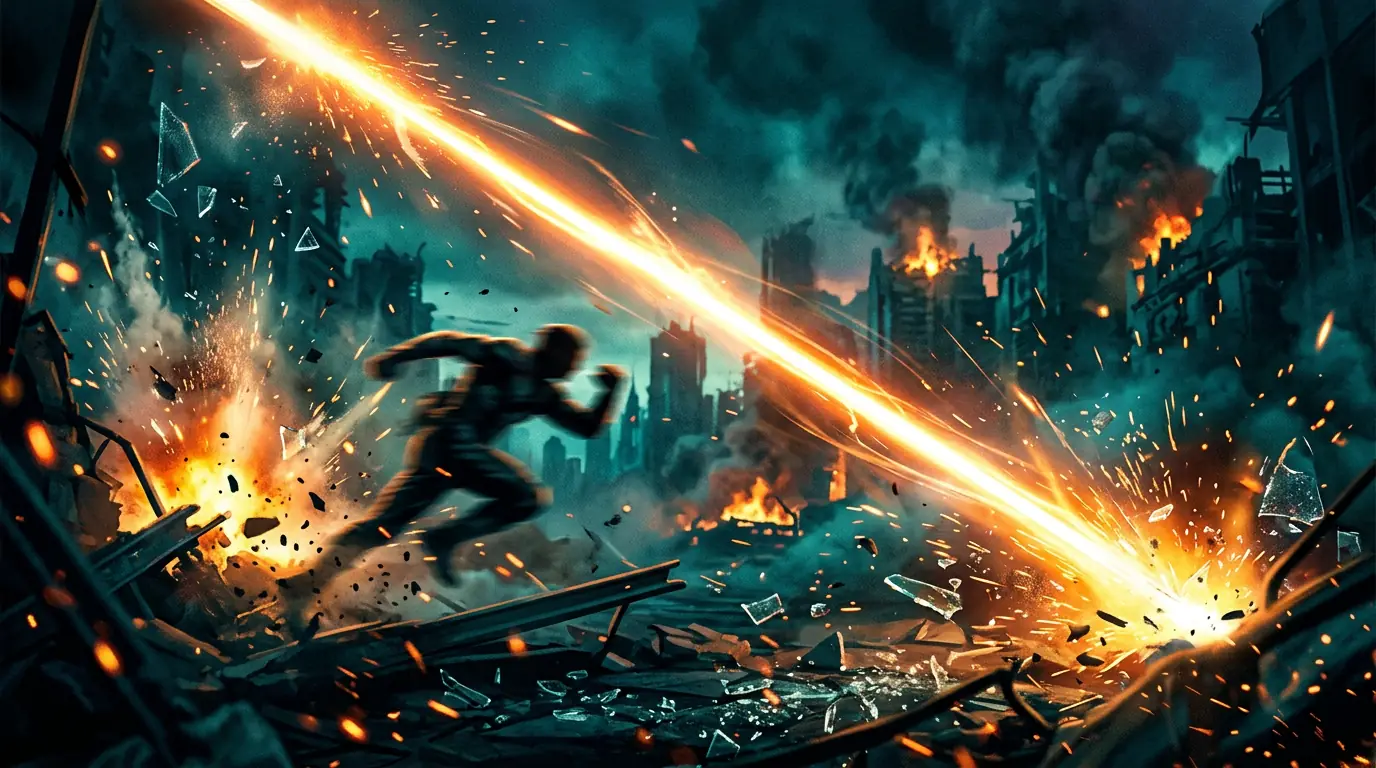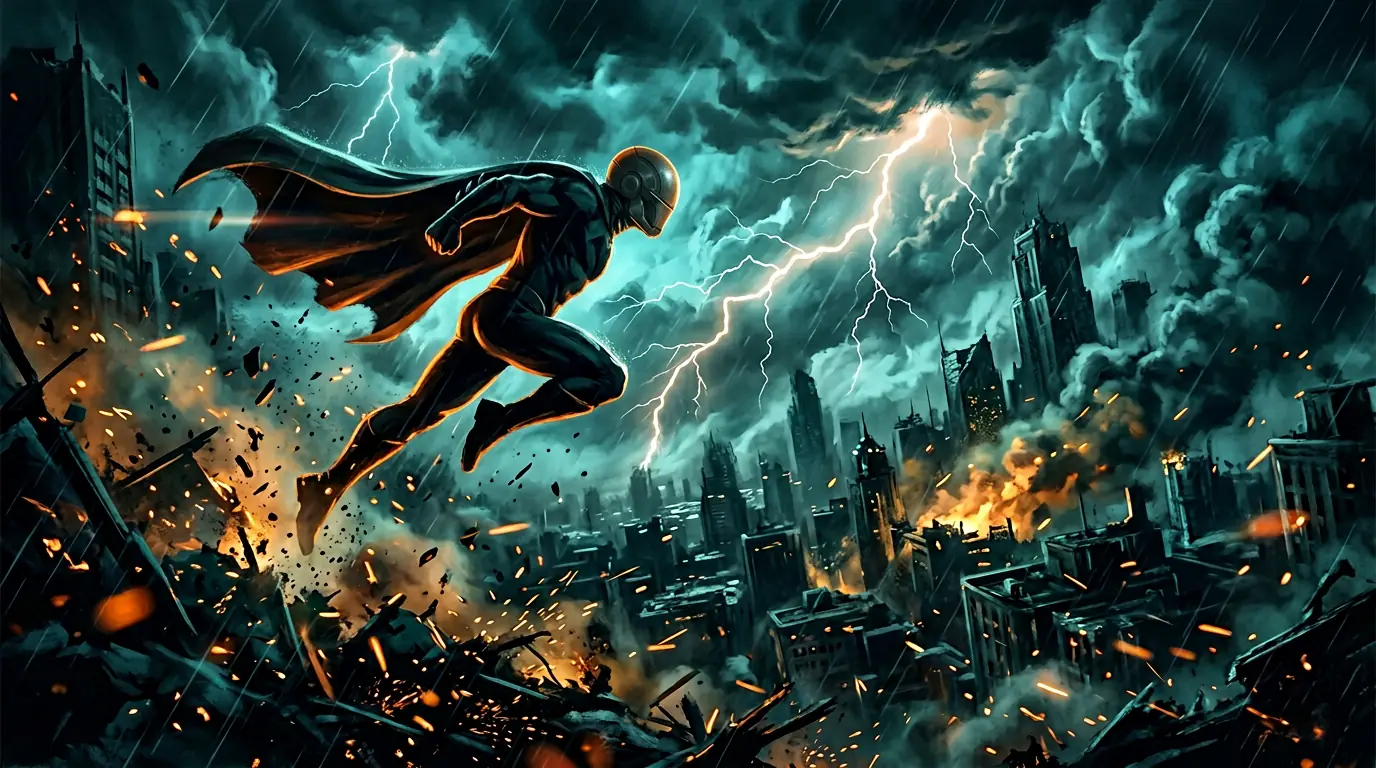
So, is The End of Oak Street just The Last House, but outside?
Alright, let's talk about August 2026. For those of us glued to the release calendars, two titles popped up almost back-to-back, and immediately, my internal issame.com alarm started blaring. We've got David Robert Mitchell's The End of Oak Street hitting on August 12th, and Louis Leterrier's The Last House just six days earlier, on August 6th. On paper, they share Sci-Fi and Thriller genres, they both involve families in peril, and both promise some serious survival stakes against mysterious, overwhelming threats.
Our super-scientific, incredibly advanced issame similarity index clocked these two at a rough 63%, and honestly? My gut reaction pretty much aligns. At first glance, you see "family," "survival," "mystery," "threat," and you think, "Okay, are these basically the same movie, just with different wallpaper?" But the beauty of a good comparison, especially when you dig into the details, is uncovering how two films can feel so similar in spirit yet deliver wildly different experiences. It’s like saying a hot dog and a bratwurst are the same because they’re both sausages in a bun. Technically true, but anyone who’s truly savored both knows the nuance.
Let's dive into The End of Oak Street first, because it sounds like it's going for a truly epic, disorienting ride. Imagine your perfectly normal, suburban street, the one with the white picket fences and the neighbors who always borrow your lawnmower, just… gone. Ripped from reality by a mysterious cosmic event and plonked down somewhere else. That's the premise for the Platt family, led by Anne Hathaway and Ewan McGregor – fantastic casting, by the way, immediately signaling a certain dramatic weight and quality to this survival tale. The tag line, "Where goes the neighborhood," really encapsulates that sense of collective displacement.
Mitchell, the director, is an interesting choice here. He's the mind behind It Follows, which was a masterclass in slow-burn dread and existential horror, and Under the Silver Lake, a neo-noir that was wonderfully weird and surreal. So, when I see "mysterious cosmic event," "unrecognizable surroundings," and keywords like "teleportation," "survival horror," and "dinosaur," my mind immediately conjures a blend of Lost meets Stranger Things (thanks to that "1980s" keyword) meets, dare I say, Jurassic Park but without the theme park safety net. This isn't just a family trying to survive; it's a neighborhood trying to comprehend an entirely new ecosystem. The "dinosaur" keyword especially throws a delightful wrench into things – it suggests the threat isn't just the unknown environment, but specific, ancient, hungry predators. This sounds like an expansive, awe-inspiring, yet terrifying adventure where the threat is both external and actively chasing you across a newly alien landscape. The 99-minute runtime feels lean for such a grand concept, which could mean a relentless pace or a highly focused narrative. I can already picture the Platts trying to figure out which lawn gnome ate Mrs. Henderson.
Now, let's pivot to The Last House. The title itself is more immediate, more contained, and suggests a different kind of terror. Here, it’s not about being ripped from your home, but about your home becoming your prison. A family is "suddenly sealed inside their home" and must "work together to survive against dwindling resources and the ominous threat keeping them trapped." The tagline, "How long can you survive?" cuts straight to the bone.
Louis Leterrier is at the helm for this one, and his filmography includes action blockbusters like Transporter and The Incredible Hulk. This suggests a more visceral, perhaps less psychologically-driven, and more direct approach to the horror. He knows how to build tension and deliver impactful sequences. With Greta Lee and Wagner Moura as the leads, you again have incredibly talented actors who can convey immense stress and desperation. The keywords here are telling: "monster," "isolation," "water monster," "sea creature," and "dangerous rain." This immediately brings to mind a different flavor of survival – the claustrophobic, siege-style horror of A Quiet Place or Signs, but with a unique aquatic twist. The danger isn't that you're out in a new world, it's that something terrifying is trying to get in to your last sanctuary, perhaps from all sides, especially from above. The 110-minute runtime is a bit longer than Oak Street, allowing for more sustained tension and a deeper dive into the family's crumbling morale.
So, what's the key overlap here, beyond the obvious genres and the very close release dates? It's undeniably the core theme of family survival against an unknown, isolating, and overwhelming force. Both films place a nuclear family unit at the absolute epicenter of a cataclysmic event, forcing them to rely on each other in the most extreme circumstances imaginable. The stakes aren't just personal survival; they're about maintaining the integrity of the family itself. How do you protect your children when the world, or even your home, becomes hostile? Both directors seem keen on exploring that raw, primal instinct to protect your own, and the difficult choices that come with it. It’s the "us against the world/thing" narrative, boiled down to its most fundamental human elements. You're going to see strained relationships, desperate measures, and hopefully, moments of profound connection and resilience in both. I also think both films are aiming for that anxious, "what would I do?" feeling that makes a thriller truly effective.
But then we hit the key difference, the thing that makes them distinct experiences rather than interchangeable choices. It's all about the nature and scope of the threat.
The End of Oak Street is about a massive, external displacement. The family is thrown into a literal unknown world, where the rules of physics, biology, and geography have been utterly rewritten. The danger is expansive – it's the environment itself, hostile creatures like dinosaurs, and the sheer incomprehensibility of their new reality. It's a grand-scale adventure with horror elements, focused on navigating an alien wilderness. It speaks to our fears of being lost, of the world outside our control, of being a small, vulnerable speck in a vast, dangerous new ecosystem. The 1980s setting also hints at a particular kind of sci-fi wonder and dread, perhaps a slightly retro-futuristic aesthetic to the unknown.
The Last House, on the other hand, is about internal confinement and an encroaching external threat. The family is trapped within their sanctuary, their home, which ironically becomes their cage. The threat is specific, monstrous, and appears to be tied to water and rain, creating a pervasive sense of claustrophobia and dread. The fear here isn't of being lost in a new world, but of your last bastion of safety being breached, of the walls closing in, and of a tangible, powerful creature trying to get in. It's a more traditional horror scenario, a siege where the safety of "home" is brutally undermined. It plays on fears of invasion, of being helpless in your own space, and of the things that lurk just beyond your perception.
These differences in scope and nature lead to very different experiences for the viewer. The End of Oak Street feels like it’s chasing an audience that loves big, imaginative sci-fi spectacles with a grounding in human drama, people who enjoyed Arrival for its mystery but wished it had more teeth, or fans of survival stories with a unique twist. You're going for the wonder, the vastness, and the epic journey.
The Last House seems designed for a more intimate, intense, and visceral experience. It’s for the audience craving sustained tension, jump scares (or at least sustained dread), and a creature feature with a smart, contained premise. If you liked Don't Breathe for its home invasion tension or Crawl for its contained creature action, this might be more your speed.
So, when it comes to a practical recommendation, who picks which, and when to watch both?
If you're craving a grand-scale, high-concept sci-fi adventure that blends survival with cosmic mystery and maybe even some ancient predators, go for The End of Oak Street. Watch it when you're in the mood for an expansive narrative, a sense of wonder mixed with dread, and a journey into the truly unknown. It's a "popcorn but make it thought-provoking" kind of movie.
If your ideal evening involves claustrophobic tension, a creeping sense of dread, and a monster trying to break down your last sanctuary, then The Last House is your pick. Watch it when you want a concentrated dose of survival horror, a film that keeps you on the edge of your seat, perhaps even literally clutching a pillow, and when you want to feel that primal fear of something just beyond the threshold.
And for those of us who just can't get enough of families in peril, why not watch both? They're coming out so close together that it could be a fascinating double feature. Start with The Last House for its intense, contained terror, letting the dread build within the confines of a single home. Then, transition to The End of Oak Street for a complete shift in scale, expanding your fear into an entire unknown world. It's a fantastic way to appreciate how two films with similar thematic anchors can explore different facets of human fear and resilience. Plus, seeing Hathaway and McGregor tackle external cosmic chaos after Lee and Moura battle internal aquatic horror? That's a weekend well spent, in my book.
FAQ
Q: Are either of these suitable for kids or more sensitive viewers? A: Based on the "survival horror" and "horror" genres, combined with keywords like "dinosaur," "monster," and "dangerous rain," both films are likely to be intense and not suitable for younger children. Expect mature themes, jump scares, and potentially graphic depictions of peril and violence.
Q: Do I need to watch these in a specific order? A: No, these are entirely standalone films with no narrative connection. However, as suggested in the main review, watching The Last House (contained horror) before The End of Oak Street (expansive adventure) could create an interesting escalation of scale and threat for a double feature experience.
Q: What differentiates the "threat" in each film beyond the general premise? A: In The End of Oak Street, the threat is multi-faceted: the disorientation of teleportation, the active predation of dinosaurs, and the general hostility of an unrecognizable, wild environment. For The Last House, the primary threat is a specific "water monster/sea creature" that appears to be driven by or connected to "dangerous rain," making the external environment directly lethal and actively trying to breach the family's home.
TL;DR
- **Shared Core: ** Both films center on family survival against mysterious, overwhelming threats in sci-fi thriller settings, releasing within days of each other.
- **Oak Street's Epic Scope: ** Focuses on a neighborhood teleported to an unknown world, featuring dinosaurs and 1980s-inspired survival adventure, directed by David Robert Mitchell.
- **Last House's Contained Terror: ** Traps a family inside their home, battling an aquatic monster linked to dangerous rain, directed by action veteran Louis Leterrier.
- **Key Difference: ** Oak Street offers expansive, external displacement and environmental danger; Last House provides claustrophobic, internal confinement and a specific creature siege.
- **Recommendation: ** Pick Oak Street for grand sci-fi adventure, Last House for intense, contained horror, or watch both for a compelling study in escalating survival narratives.
This product uses the TMDB API but is not endorsed or certified by TMDB. Editorial disclosure: this comparison was drafted by AI using TMDB data and may contain errors—see Disclaimer.